
You're Already Aging — Here's How to Hack It Before It's Too Late According to LongevityPlan.AI
Written by Melissa Schenkman, MPH, MSJ
A Conversation with Tony Medrano, JD, MBA, MA, who is the CEO and Founder of LongevityPlan.AI, a Former U.S. Naval Officer and Three-Time Ironman Triathlon Finisher.
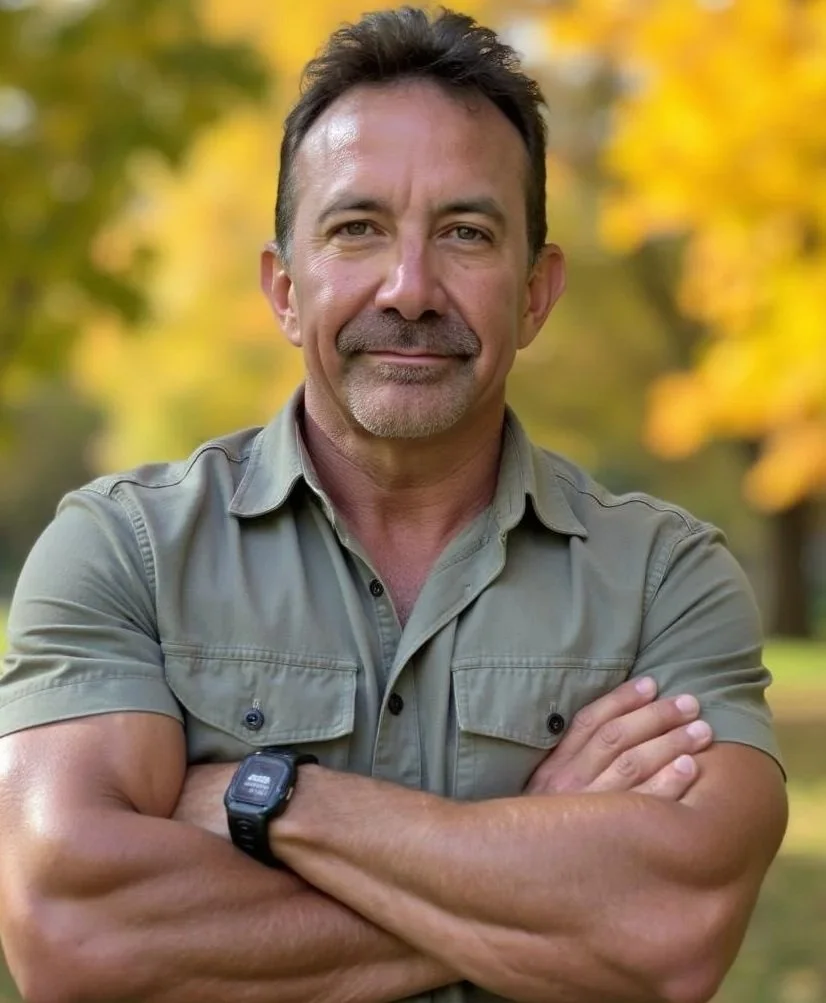
Tony, you have an impressive background — Naval officer, Stanford, three Ironman triathlons. What actually got you personally interested in longevity and health optimization?
Tony Medrano: Honestly, I've always been into preventive health, but I wasn't serious about it in a personal, performance sense until I was 48. A Stanford business school friend who had done about 20 Ironman triathlons dared me — half as a joke — to run one with her. I took her up on it. The problem? I had nine months to prepare, I wasn't a cyclist or a swimmer, and I had to optimize the hell out of myself just to survive the race.
Then, six weeks before the event, I got hit by a car going about twenty miles an hour while training on my bike. T-boned. Separated my right shoulder. And that just gave me more resolve — I wanted to figure out if I could finish with one working arm. That forced me to get really serious about optimization with whatever I had. I rolled all of that forward after working with the NFL and an Olympic team, looking at how they use digital twin technology and AI to optimize athletes. I took those things together and started LongevityPlan.ai.
The peptides came in through a nagging knee injury — a torn meniscus from 30years ago when I was a Naval officer. Friends had been recommending peptides for years and I kept shying away because I like to be natural. But I did the research, and I thought, wait a minute — the body produces these anyway. There are really low side effects. So, I started BPC-157 for my knee, and within two weeks it was better than it had been in decades. I could walk downstairs without trepidation after a ten-mile run. That was a turning point.
Let's back up a bit for people just hearing these terms for the first time. What are peptides?
Let’s start with amino acids. We all know from high school biology that amino acids are the building blocks of protein. Think of an amino acid like a Lego block. A peptide is two to fifty of those blocks together. A protein is a massive amount of those blocks. So, amino acids make peptides — which are like mini proteins — and then peptides come together to form larger molecules.
Here's the key part: in most cases, the body already makes peptides. We produce a lot of them in our 20s, and then production decreases every year thereafter — pretty drastically. What modern peptide therapy does is remind your body to produce more of what it was doing when it was in its 20s. That's what gives it a good safety profile.
There's a lot of talk online about peptides — Gen Z influencers, sketchy WhatsApp suppliers. How do you cut through the noise on peptides and peptide therapies?
Look, the Gen Z influencers on YouTube are kind of ruining it. And on the other end, Gen Xers — my generation — tend to be more trusting of big pharma and less proactive about their own health. Millennials are actually the sweet spot: that ideal combination of scientific curiosity and health prevention mindset.
However, your instinct to be skeptical is right. The latest stats I saw showed that about 25% of peptides sold by fly-by-night companies — a lot of them shipping directly from China, reachable only via WhatsApp — are either fake or contaminated. That's a huge risk, especially when a needle is involved.
Our advisory board is full of Harvard and Stanford-educated medical doctors and biochemists. I publish articles based on peer-reviewed research in scientific journals. And I use this stuff myself. The price reflects the quality and safety — and that matters a lot when we're talking about injectable peptide therapy.
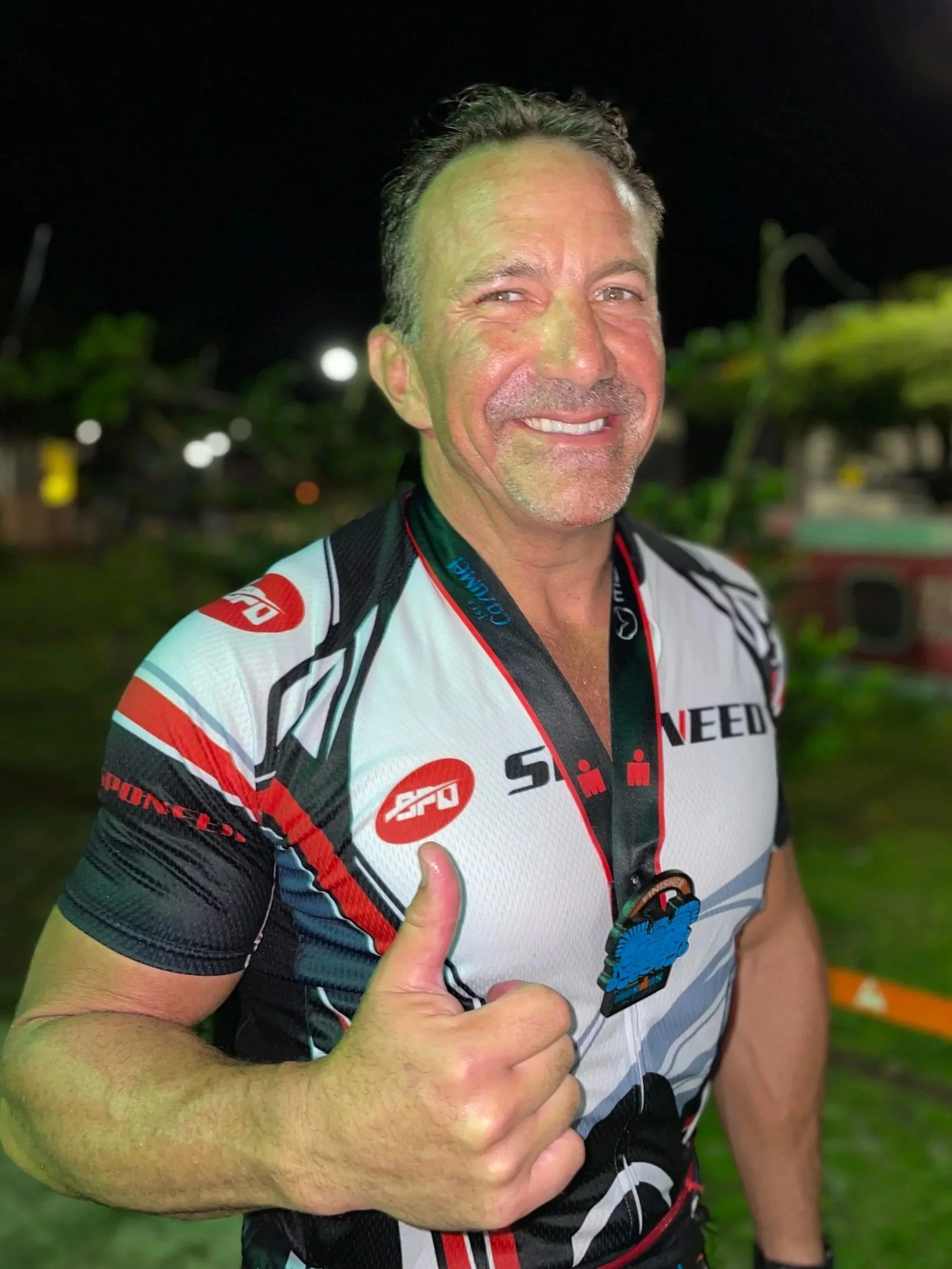
Tony Medrano, JD, MBA, MA, has extensive experience working at the intersection of health, wellness, and AI to help optimize athletic performance and clinical outcomes. He has worked with athletes in the NFL, NBA, and U.S. Olympic Team.
Tony holds his JD and MBA from Stanford University, and an MA in Higher Education from the Teachers College of Columbia University.
Why injectable peptides? Why can't people just take a pill?
It all comes down to bioavailability — how much of a substance is actually available to do its job in your body after passing through your digestive tract. Here's why pills fall short for most peptides:
Most peptides break down in your stomach. Your gastric juices destroy them before they can do anything useful.
NAD+ is a perfect example. It's commonly sold in pill form, but your stomach largely destroys the molecule. You need to inject it to get real benefit.
Collagen has the same problem. I have some in my cupboard, but when you eat it, a lot doesn't get used as efficiently as the packaging implies.
BPC-157 is the one exception. It's derived from gastric juices, so it actually holds up in your stomach and can work in pill form. But that's the outlier.
For most peptides, if you want real results, you have to administer them as an injection.
What is a digital twin, and why does it matter for the average person’s longevity?
I've been in love with this concept since I first heard about it. It actually started in the 1970s with NASA and nuclear power plants — complex machines you want to experiment on digitally before trying anything new on the real thing. You don't want to test something on a nuclear reactor and find out it doesn't work.
The NFL brought this to sports. Think about Patrick Mahomes — he's worth 10 million dollars a week in playoff value. If he gets injured, that's a catastrophic loss. So, NFL teams have created a digital twin platform for each player: an individual data lake, regular MRIs, wearables in their cleats measuring stride length, all of it. They're not just treating injuries — they're predicting and preventing them.
For regular people, we can't get cleat wearables, but the concept is exactly the same. A digital twin is essentially a bucket of your personal health data — from wearables, lab work, genetic testing — with AI mining that data on a personal level. It's not an average of everybody; it's yours. That personalization is the whole point.
You mentioned wearables. What should people actually know about them?
I'm wearing two right now because I'm A/B testing them. I've got the new Fitbit Air — no monthly subscription fee unless you want personal coaching. It runs about $99. And then the WHOOP, which I've had for a while, is a bit more expensive at $30 a month. I used to have an Oura Ring too, but you can't lift weights or cycle with a ring on without chafing.
Here's the honest truth about wearables: They're directional, not definitive. Version 1.0 was all about steps — that was the whole idea. Now, they're tracking a lot more, including things like VO2 max. But how would a wearable on your wrist actually know your lung capacity? It's guessing. The only real way to measure VO2 max is to put on a mask, get on a treadmill, and push yourself to maximum exertion. Wearables give you the motivation, the engagement, and at least directional knowledge about how your body is operating. Just understand their limitations.
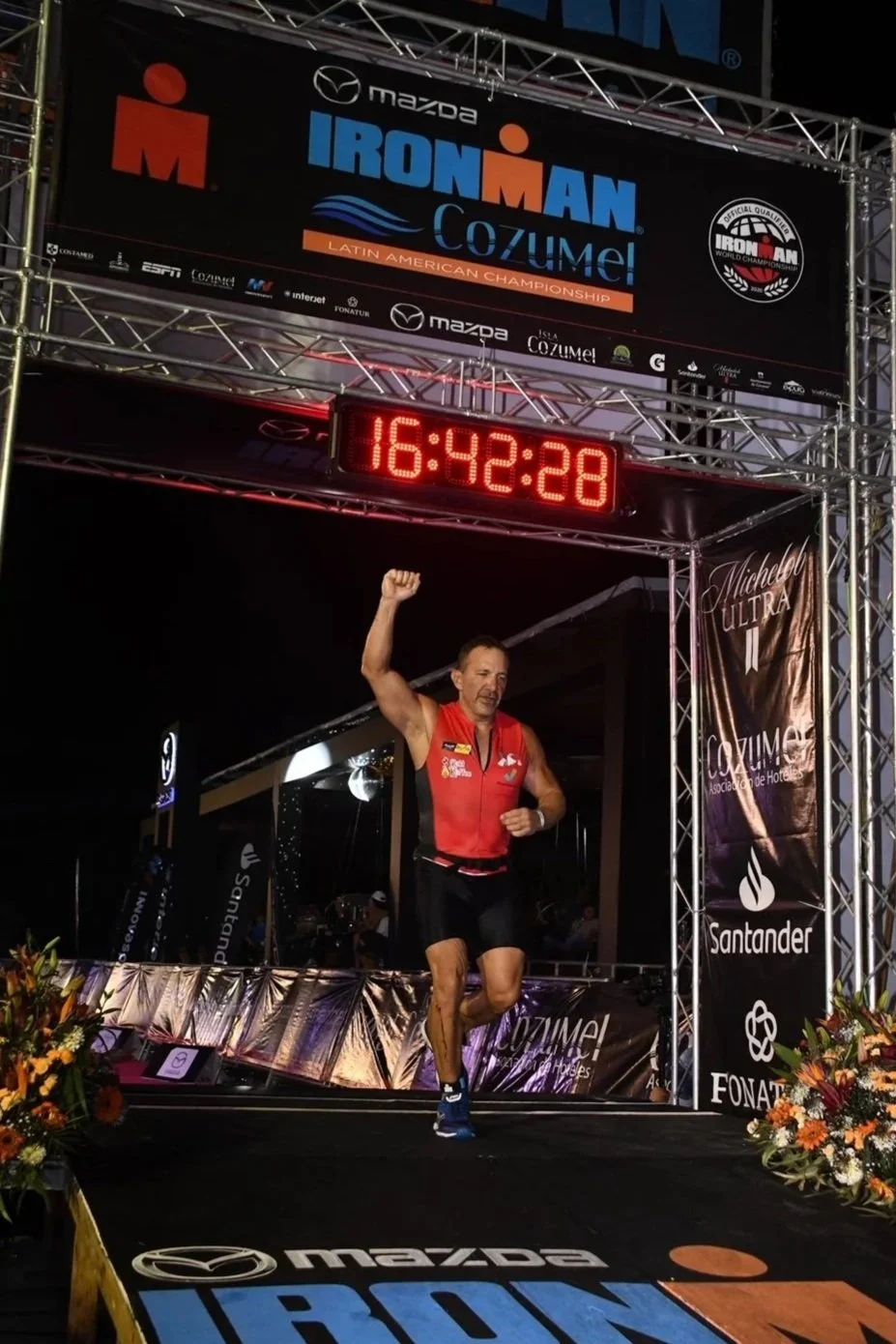
What are the main peptide therapy plans you've built at LongevityPlan.AI, and who are they for?
We built them around what people actually care about — and for the millennial audience, the interest in these four plans come up constantly.
Skin and beauty optimization
The GHK-CU peptide has actually been in women's skin cream for decades. It's used by burn victim doctors to repair skin. But as an injectable, it works throughout your whole body — not just where you put it. It thickens hair, increases collagen production systemically. At 55, I just had my biological age tested, and it came back as 28. Part of that is the peptides, part is the Ironman Triathlons, but it's the whole package. For people who want a more natural alternative to Botox, this is worth serious attention.
Injury recovery and prevention
The peptides BPC-157 and TB-500 are often stacked together to promote healing from injuries and prevent injuries from occurring. TB-500 is a synthetic version of thymosin beta-4, which the body produces naturally to heal tissue. I've used this combination for my knee. The dosing of these peptides matters a lot. For example, for an acute problem like a torn Achilles, you might want a larger dose up front; for ongoing maintenance, a microdose every other day or once a week makes more sense.
Inflammation and fat reduction
Targeting inflammation and fat reduction goes hand in hand. So, this plan centers around a combination of three peptides: BPC-157, TB-500, and tirzepatide.
Tirzepatide and retatrutide address both, but it’s worth understanding your own body's baseline before diving in. I found myself in this situation personally — coming off Ironman training, my body was used to burning 5,000 calories a day, and I wasn't slowing down my eating even when the workouts dropped off.
Mental acuity and executive focus
This peptide therapy plan is personally one of the most important to me. I'm a third-time CEO co-founder. I have to keep up mentally with people who grew up with different technology, learn new things faster, sustain focus across longer days. The blend here includes NAD+, Semax, Selank, and glutathione. Since I started using Semax in particular, I haven't craved coffee and I'm alert all day. I was a three-cup-a-day coffee drinker. It's also saving my gut.
For anyone nervous about starting peptides, I'd actually recommend glutathione and NAD+ as entry points. They're widely used, have decades of positive feedback, and very few side effects. Always consult your doctor, but those are things you could bring up and ask about.
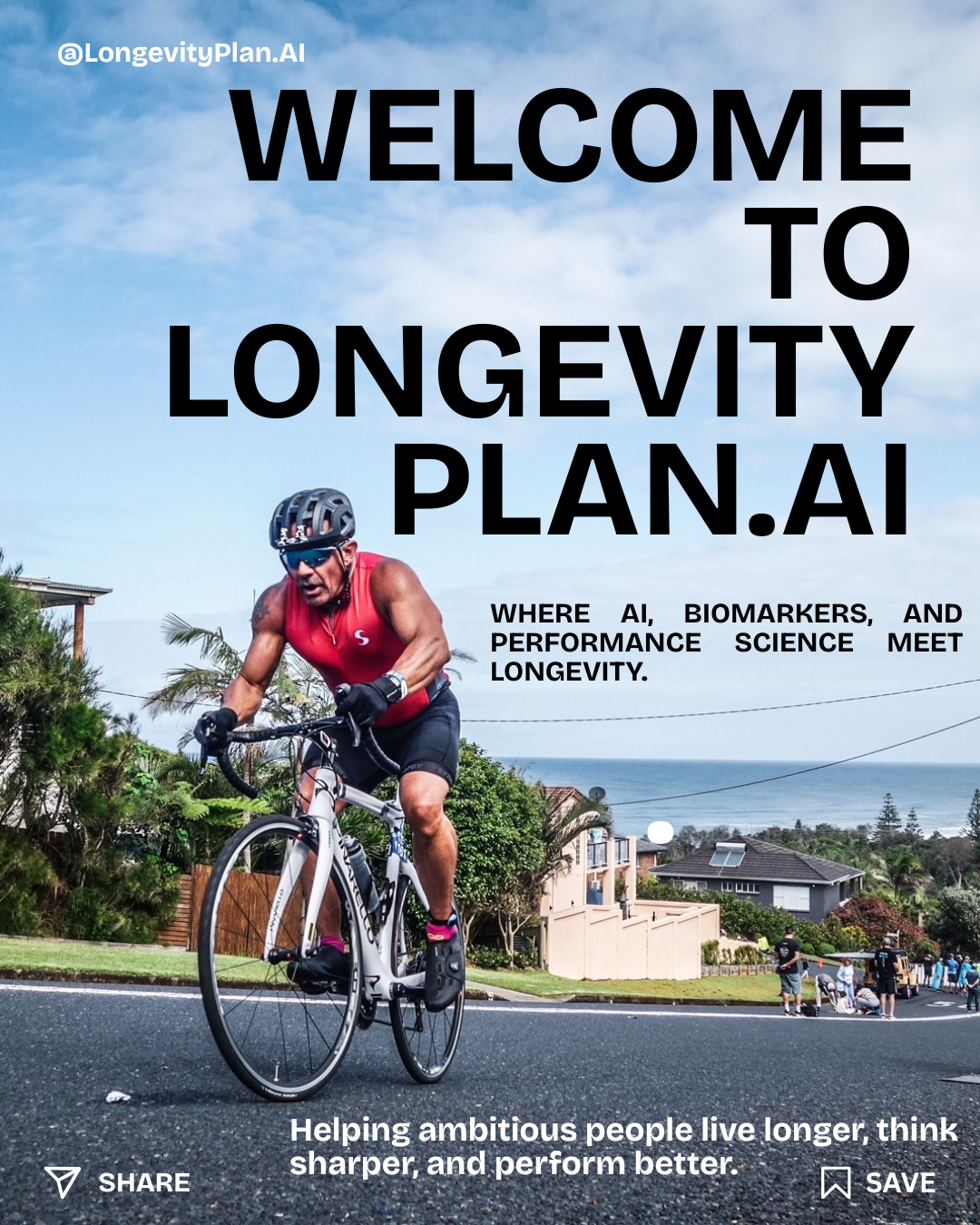
How does the process actually work when someone signs up for LongevityPlan.AI?
It starts online. You read the research — we publish articles from medical journals and peer-reviewed studies so people can educate themselves. Then they choose a peptide plan or even an individual peptide therapy they want to try. From there, they apply for a prescription through our telehealth provider — all web-based, all done through licensed U.S. physicians. The doctor reviews your medical history and determines whether you're eligible.
If you're approved, the wearable data feeds into your digital twin so we can monitor how you're responding to the peptides. Dosing is typically reviewed on a 90-day cycle. You might start with a higher dose for an acute issue and move to a maintenance microdose afterward. If you're not eligible for peptide therapy — because of a history of cancer, for example — you can still access the Longevity Club, which offers monthly wellness retreats that are athletic, luxurious, and built around performance science. People can engage however they're able to.
What do you tell people who ask how long they need to stay on peptides to see results?
The short answer is: It depends. Peptides aren't a "one pill cures everything permanently" fix. But they're also not habit-forming — you're not going to get withdrawal symptoms if you stop. Think of it like a high-quality skin cream. You'll have some lasting, semi-permanent benefits. But if you stop and go back to behaviors that work against you — bad sleep, high stress, no recovery protocols — those benefits erode.
In my case, look at the use of the peptide, BPC-157, and my knee injury knee. My knee is pretty much fixed, but I still take a reduced maintenance dose of the peptide BPC-157 because I want to keep that fixed, especially if I run 25 miles tomorrow.
The digital twin data helps personalize that answer. What's right for me isn't right for everyone — just like diet and exercise look different for different bodies.
What has surprised you most as you've built this company and gone deeper into the longevity and peptide space?
The diversity of needs. I think we all fall into the trap of assuming that because we understand our own health needs, others are somewhat similar. They're not. The more I've talked to people and built this community, the more it reinforces just how necessary personalized medicine really is.
One of the things I keep hearing — and this really stood out — is how many women feel underserved by the existing healthcare system. There's so little research on women's health across the lifespan. Side effects, symptoms, therapies that work — it's all limited. Women are coming to longevity planning with a real hunger for more options, more agency, more data on what actually works for their bodies. That's an area I'm paying close attention to as we grow.
How should people think about planning for longevity right now?
Ask yourself this question: What do you want to be able to do when you're 70 or 80? Write a list of those answers. Prioritize it. That's actually a good starting point for any goal-oriented planning — and then map backwards from there.
Where people drop the ball is treating their body like it only matters today. Your choices right now are compounding, one way or another. The goal isn't to live forever — it's to stay physically capable, mentally sharp, and genuinely engaged in your life for as long as possible. That's the mission.
For me personally, my plan is diverse — entrepreneurial work I can sustain for the next twenty to thirty years, staying physically and mentally active, continuing to do Ironman Triathlons as long as my body allows. And yes, I'm on the beauty peptide plan too! No shame in that. I want to feel and look as good as I function.
How can people connect with you and learn more about LongevityPlan.AI?
To learn more about LongevityPlan.AI and see about becoming a member, visit our website and follow us on our company Instagram, TikTok, Facebook, and LinkedIn pages.
To connect with me, you can find me and reach out on LinkedIn at Tony Medrano or @TMedrano2 on Twitter.
Want to hear more from Tony? Check out the YMyHealth Podcast on our YouTube channel or on your favorite streaming platform!