
Talking About Suicide Can Save a Life
A conversation with Eileen Chapman, Senior Suicide Prevention Specialist at Wounded Warrior Project
Written by Melissa Schenkman, MPH, MSJ
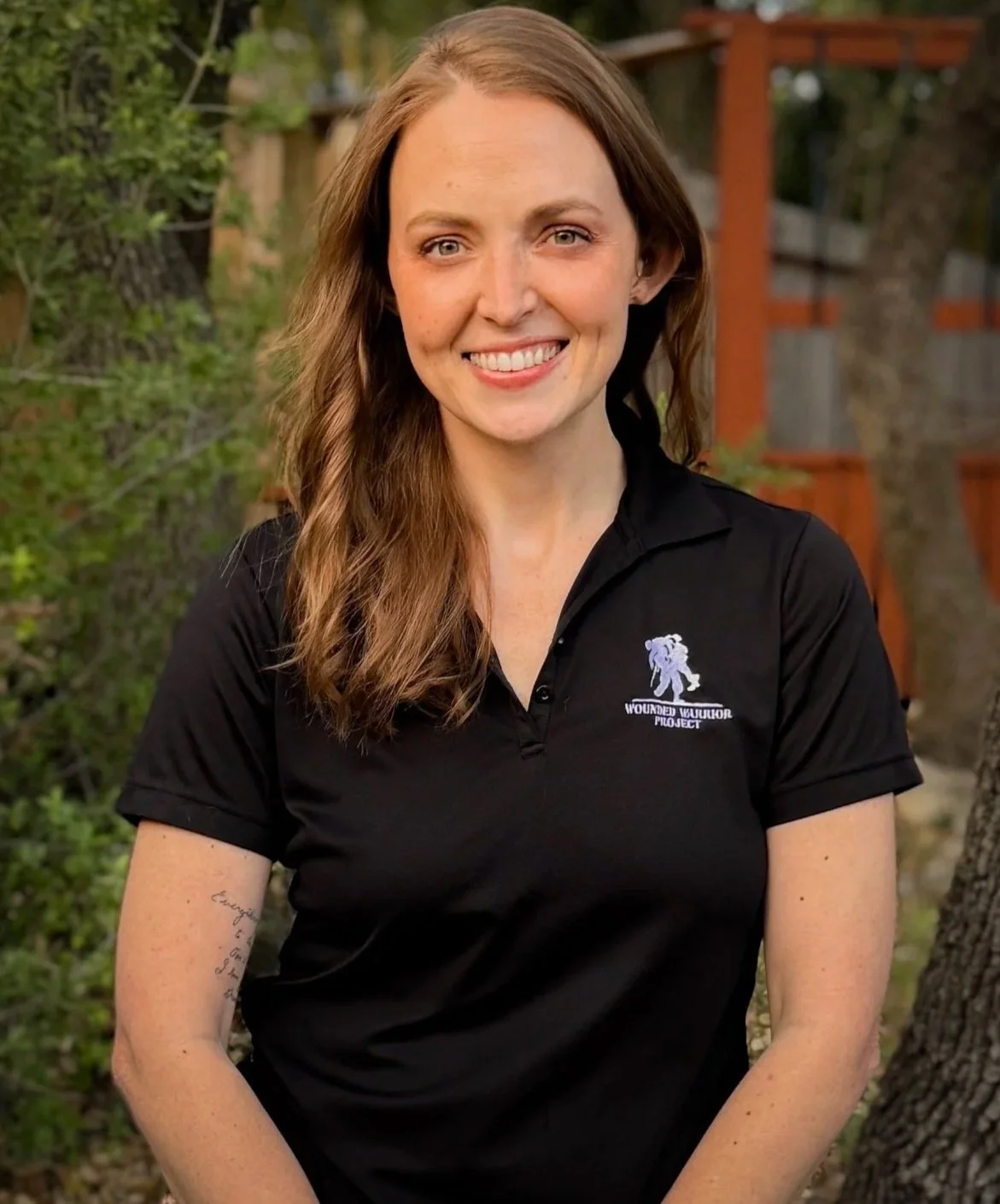
Eileen Chapman
According to the National Institute of Mental Health, suicide is the fourth leading cause of death for Americans between the ages of 35 and 44. Yet it remains one of the most avoided topics in everyday conversation. In this episode of the YMyHealth podcast, co-host Melissa Schenkman sits down with Eileen Chapman, who has spent 14 years at the Wounded Warrior Project and now leads its suicide prevention efforts. She shares how to recognize the warning signs, learning how to support our peers and loved ones mental health if they are struggling, and taking care of our mental health is can be a powerful formula to prevent a suicide from taking place.
What drew you to suicide prevention work at the Wounded Warrior Project?
My path to getting involved in this type of work is deeply personal. I was a freshman when the 9/11 terrorist attacks happened, and I watched a lot of my peers enlist or join the military after that. Coincidentally, Wounded Warrior Project (WWP) came to be as a result of that same conflict.
Through the injury and recovery of a loved one — someone who was one of the organization’s early recipients of support — I got to follow the growth of WWP up close. And watching someone go through that kind of recovery, you feel incredibly helpless. You can’t fix things for people. Being able to channel that desire to help into an organization that felt like part of the solution was really appealing.
That loved one ultimately died by suicide. When he died, it felt like a calling to focus more intentionally on why — to ask whether there was something bigger that could be done outside the Veterans Affairs (VA) healthcare system to make sure the right kind of help was out there for people.
What works for one person isn’t going to work for the next three. So how do we make sure people have a million options until they find something that does? That personal loss drove a sharp right turn into suicide prevention.
Why is the transition out of military service and back into civilian life such a high-risk period for suicide?
Think about any big transition in your own life — leaving school, moving somewhere new. Even when there’s excitement, there’s loss. Now imagine that on the scale of leaving the military, where that is your life 24/7. That’s your community, your sense of belonging, and your identity. And when people leave — even happily, even looking forward to going home and being with their family — there is a lot of loss that happens. Imagine if it’s an unplanned exit after an injury or illness, where you may have had a plan for your life that was kind of taken from you. That compounds everything.
That first year after leaving service is what we refer to as the deadly gap. That’s where the risk of committing suicide is the highest, and it holds whether someone served four years or 35.
Community is without a doubt such a basic human need. And with the experiences and exposures that can come with military service, being expected to just go back home and carry on is a lot. Those things catch up with you if you’re not paying attention and taking care of yourself.
How does Wounded Warrior Project approach suicide prevention?
We’re a nonprofit serving post-9/11 service members, veterans, and their families, and everything we do is completely free of charge, wherever you are in the world — Germany, Hawaii, Guam, Puerto Rico. And a big part of that is also making sure family members and caregivers are supported, not just the veterans themselves.
Our approach to suicide prevention is really about getting as upstream as possible — catching people before they’re at a place of crisis. We think a lot about protective factors, the things in your life that keep you grounded and connected. Those look a little different for everybody, but our programs are built to address them. Things like:
• Physical health and mental wellness
• Sleep quality and pain management
• Financial education and stability
• Peer support and community connection
Suicide is never about one thing. It takes a culmination of events, factors, environmental and historical things to bring someone to a place that dark. So mental health alone is not the whole story, and our approach takes all of that into consideration. We call it a no wrong door approach — no matter who you reach out to in our organization, that person has been through suicide prevention training and been taught in intervention skills. It could be someone helping you with your disability benefits or rewriting your résumé. Whoever you talk to, they’ve been trained to identify cues and signs of potential suicide risk and to walk through an intervention. We want people to land in safe hands, no matter who they’re talking to.
We’ve also implemented the Columbia Suicide Severity Rating Scale across some of our highest-risk programs — financial readiness, physical health, mental wellness. It’s a non-clinical screener that asks, essentially, ‘where are you right now? Are you having these thoughts? Have you thought about a plan?’ It’s time-bound, which matters — because right now is what we can actually work with. It’s telling us a lot of important information that we’ll eventually expand across all our programs.
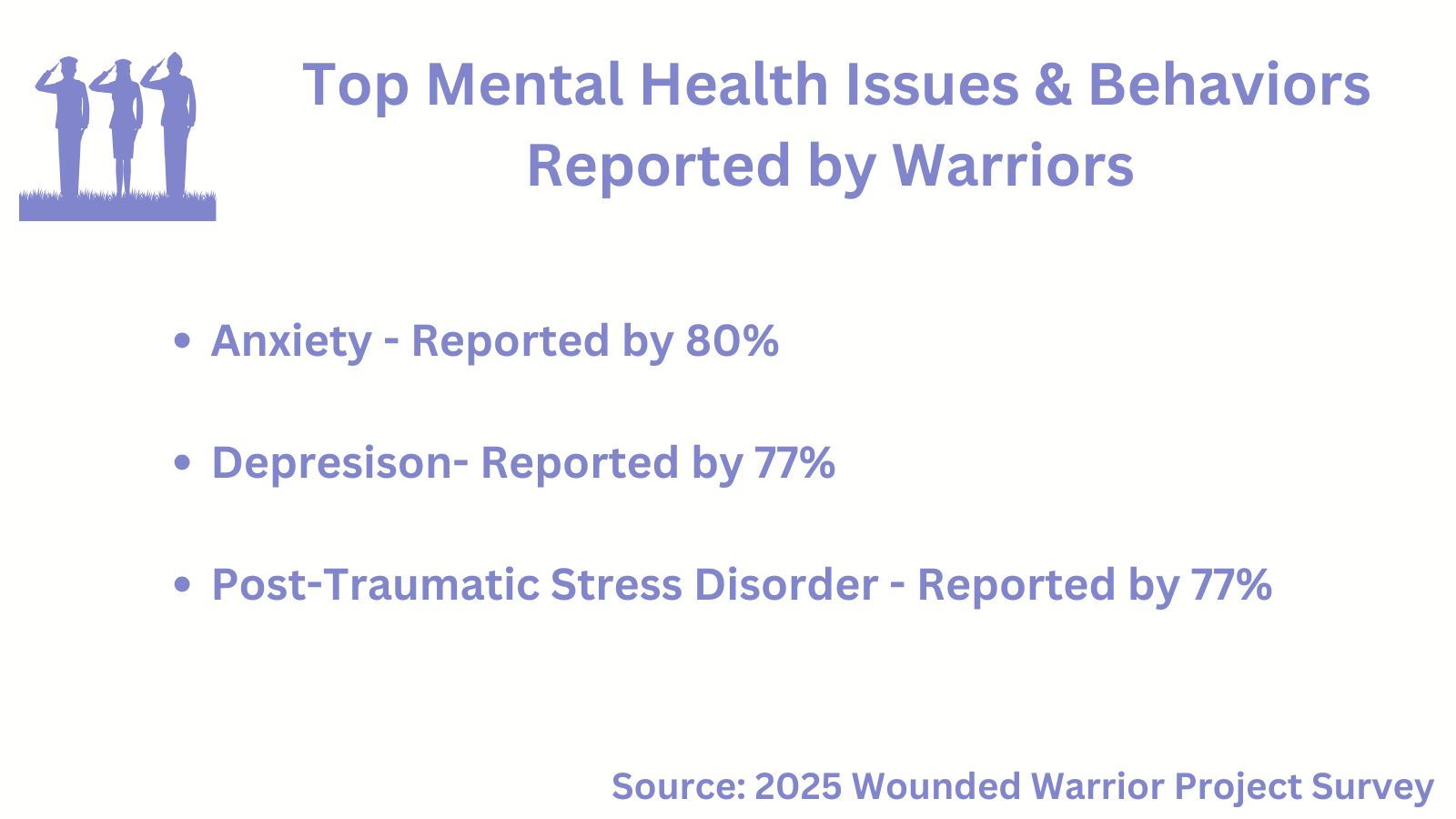
How do you address any stigma around seeking help or mental health treatment that exists in the military and at-large?
We make it a point, over and over, to say this problem isn’t going away if we’re not willing to talk about it. Ignoring it, keeping it quiet, pretending everything’s okay for the sake of other people or out of fear of consequences — it doesn’t work. We know that. So, we say it constantly: it might be uncomfortable, but we need to have this conversation.
Sharing our own stories helps. It doesn’t get easier to be vulnerable, because it’s real and personal for so many of us. But it helps. When someone hears about another person’s experience reaching out for support, it makes the idea feel more possible. And I want people to understand that reaching out once is most of the time not going to be enough. You have to stay on top of your own mental health and wellness. There’s just not a quick solution.
We also have to make sure people know where to go for help, and keep it simple. A three-page PDF of resources pulled from a website is not useful to someone on a bad day. On a good day I don’t want to sort through that — so on a bad day, definitely not! The goal is fewer barriers, not more information.
How do you talk about suicide safely with someone you’re worried about?
Approach the conversation with curiosity, compassion, and without judgment. And you have to be willing to hear answers you weren’t expecting. No matter how well you know someone, you don’t know everything that goes on in their head. So, be careful with your assumptions. Then be direct — ask the question plainly. And then really listen. That’s the big one.
The temptation is always to give advice, or to remind somebody how much they have going for them and how much people love them. I understand that impulse. But it’s not helpful. Think about when you’re having a terrible day and you just need somebody to hear you. Now take that and multiply it by 15 for someone who might be struggling with thoughts of suicide. What that person needs is to hear: ‘that is a lot. You are carrying so much. Of course that feels this heavy.’
We have to let people talk. We have to avoid giving advice. We just need to listen — and that is both the hardest and the most important thing you can do.
What can millennials take from this — even those with no military connection?
The risk factors we see — burnout, isolation, identity struggles, the pressure of career and finances — those aren’t exclusive to veterans. They’re everywhere in the millennial experience. And I think millennials have actually opened up the conversation about mental health in a really important way. We’re at a point culturally where we aren’t as determined to just push things down and hope they go away. That’s never worked. We can look at generations before us and see where that approach fell short.
What I’d say to anyone is: self-care can sound ‘eye-rolly,’ I know, like inspirational quotes on Instagram. But there is real science behind keeping yourself regulated. And you do that through intentional, small acts like:
· Getting proper sleep
· Healthy movement
· Choosing to eat healthy foods
· Being out in fresh air
· Having some non-screen time and some non-screen communication
The goal is small things, often. Not waiting until you’re so burnt out, so you’re forced to stop. That incremental investment is the only way to have any day-to-day quality of life, let alone long-term outcomes.
You deserve a great quality of life, but that doesn’t happen by accident. You have to pour back into yourself, and that’s the only way we have a real chance at combating any of this.
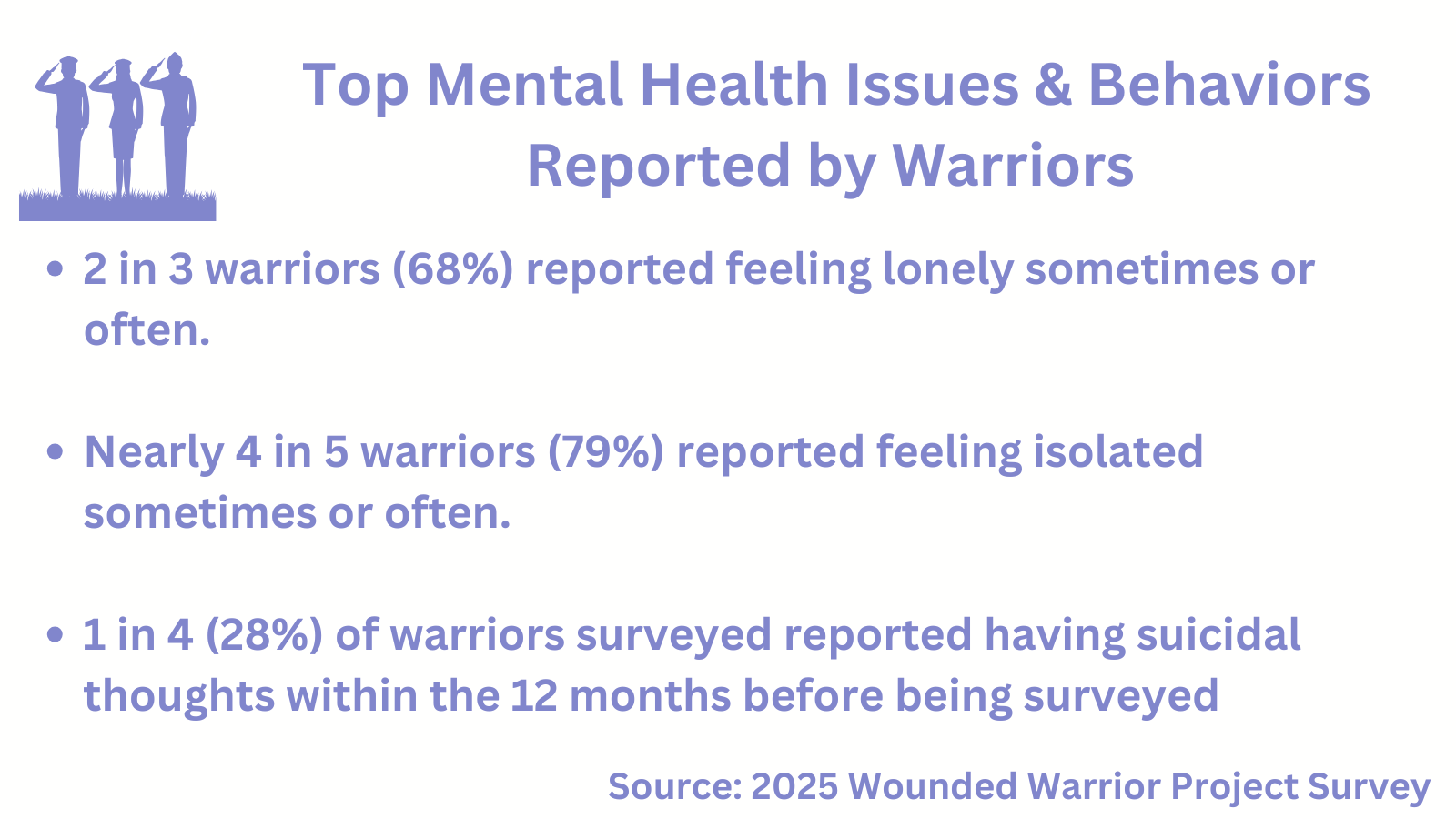
Why does suicide need to be part of the mental health conversation explicitly?
Because suicide doesn’t discriminate. It doesn’t just exist in the military or the veteran space. It’s everywhere — every community. You’ve probably heard the saying: ‘Check on your happy friends.’ It doesn’t look like one thing. And nothing changes if we’re not going to talk about it openly and honestly.
If we’re talking about mental health without ever asking about suicide, we’re missing a huge opportunity to get upstream. We’re not going to catch people early enough if we’re not willing to ask the questions early enough. And I want people to hear this clearly: you are not broken if you’ve had these thoughts. You are not failing. There is nothing wrong with you. We have to look at suicide holistically, as part of whole-person wellness, not as some shameful outlier. Because the moment it becomes something we’re too scared to name, we’ve lost the chance to help someone before things become critical.
If people take away just one message from this conversation about suicide prevention, what do you want it to be?
There’s no one right way to do this — honestly, it would be easier if there were. But just be who you are. You never know the impact you’re going to have on somebody by being a good listener, by being kind. That’s real. And alongside all of that: take care of yourself. Take care of the people around you. That’s really all you need to know to make a difference.
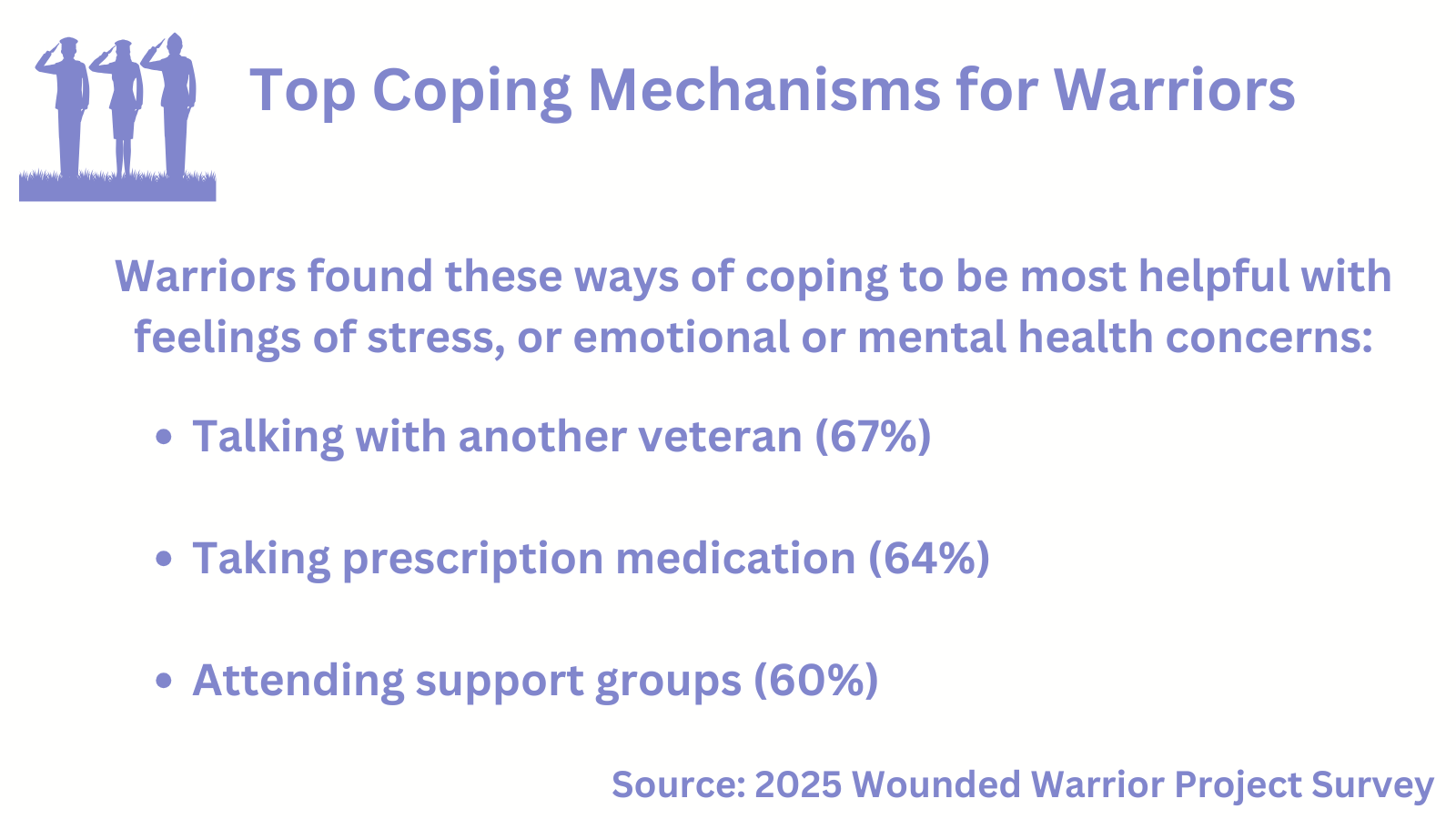
How can people connect with the Wounded Warrior Project?
You can connect with the Wounded Warrior Project by visiting woundedwarriorproject.org and follow us on Instagram @wwp
**If you or someone you know is having thoughts of suicide, please call the 988 Suicide & Crisis Lifeline by calling or text messaging to 988. The Lifeline is available 24 hours a day, 7 days a week.
Want to hear more from Eileen? Check out the YMyHealth Podcast on our YouTube channel or on your favorite streaming platform!