
Written by Melissa Schenkman, MPH, MSJ
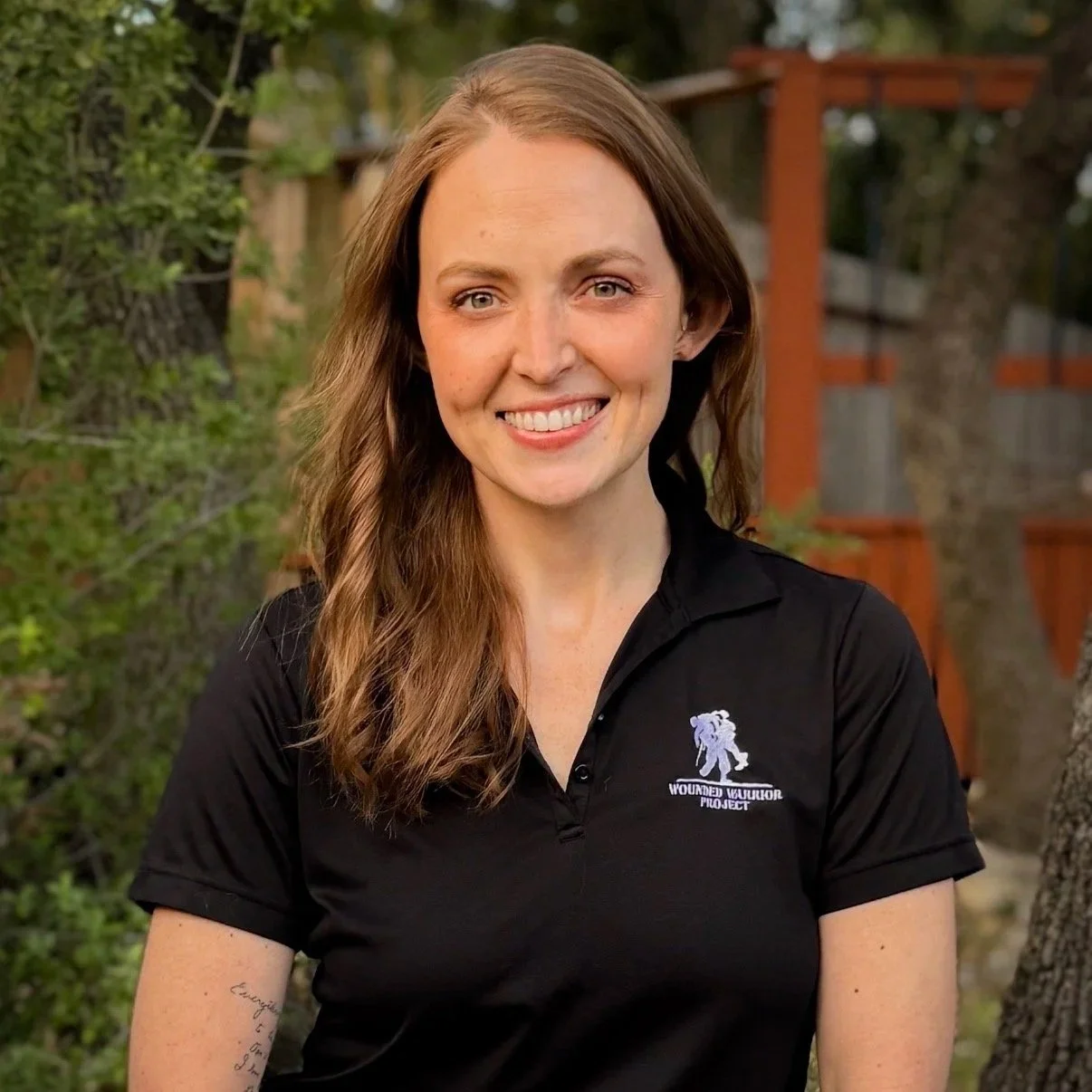
Eileen Chapman, LCSW, is the Senior Suicide Prevention Specialist at the Wounded Warrior Project, where she works on programs that help veterans and their families manage stress, connect to mental health support, and build protective factors. She returns to talk about surprising suicide trends at the holidays and in the New Year and how to support others, and ourselves, through the holiday season.
What surprises people most about suicide rates and the holiday season?
Eileen Chapman: We assume suicide rates peak around the holidays, with all the finances, stress, loss, and family dynamics. But traditionally, the spike happens around New Year's and into January and February, in the general population and in the veteran and military community. I think a lot of it is the emotional crash after the busyness winds down. The celebrations end, and you feel directionless while everyone else seems to have it all together.
Why are the holidays a good opportunity to check in on someone?
Many people worry reaching out will be awkward. The holidays are a great excuse, because you're already catching up, so it feels organic to roll into something deeper.
Research tells us the majority of people who think about suicide just need time and space to talk. You don't have to be a clinician to make a difference. Trust your gut, reach out, and let them talk.
How do you start that conversation?
Be intentional and start with neutral questions. Something like, "I know I'm stressed out with all the chaos at my house. How are you doing?" That normalizes the stress and invites an honest answer. If you come in too hot and excited, you might shut that honesty down.
How can you tell when someone needs more than a holiday check-in?
Don't assume you know what's normal for them, especially if you're close. If they keep avoiding the conversation, be more direct. Tell them you're concerned and why. Sometimes people just need to hear, "I care about you enough that I've noticed this."
If you're a fixer, let them talk before you problem-solve. And if you believe someone is in active suicide crisis and you're worried about their immediate safety, you have to escalate to emergency services.
Why does "you have so much to be grateful for" shut down honest conversation?
You think you're helping, but it's often not what someone needs to hear. Feeling grateful and feeling down are two things that can be true at the same time. We can feel gratitude alongside grief, sadness, or anger, and that doesn't make us less grateful. It makes us human.
How can people build connections without pressure to be festive?
Drop the pressure to feel joyful. If big gatherings feel like too much, give yourself permission to do something lower-pressure. Traditions aren't fixed, and you don't have to over-explain when you say no.
If you already have a therapist, don't cancel your appointments around the holidays. That's when they matter most. If you're not connected to support but think it could help, now is the time to start. Veterans and military-connected family members can reach out to us at woundedwarriorproject.org. Don't overthink it.

How can family visits feel less stressful?
Boundaries. Tell that uncle or parent, kindly and early, that you'd love to catch up but certain topics, like career, love life, or finances, are off the table. You can also set a time limit: "I'll be here an hour and a half, then I'm heading out." And it's okay not to go at all.
How do we talk about financial stress without being judgmental?
Remember that holidays are about connection, not stuff, and connection is free. If you can't travel this year, you can still plug in with the people you'd have seen. If you need to be mindful of your finances, that's your business, and you don't owe anyone a big explanation.
How do you ask for help without feeling like you're ruining the holidays?
If your best friend said, "I don't want to ruin your holiday by talking about it," you'd tell them you want to be there for them. So why do we do this to ourselves?
Grief comes to mind first. For some, it's the first holiday without someone they love. Holding it in makes it feel louder. It doesn't have to be a long conversation. Saying, "I'm really missing this person this year," can lift a huge weight. Asking for support isn't ruining the holidays. It's giving someone who cares the chance to be there for you.
Why might January not feel like a fresh start?
The challenges that were there before the holidays are still there. When everyone returns to routine, January can feel quiet and isolating, and the holiday spending catches up. If the fresh-start feeling doesn't come, that's completely normal. Meaningful change doesn't happen overnight, and it doesn't have to start January 1st.
How can we set manageable expectations for the new year?
I'm not a resolution person, but if you are, think small things, often. Change doesn't have to cost money. Try twenty minutes of movement three times a week, rooted in the idea that taking care of my body takes care of my brain. Healing happens with gentle consistency, not overnight transformation.
What does a strong support system look like?
It's well-rounded: some professional support, plus trusted friends and family. If you go in and out of dark periods or thoughts of suicide, make sure your system includes a 24-hour number. 988 is a great one, but not the only one, so at 3 a.m. you have an option.

What gives you hope?
Our biennial Warrior Survey, the largest of its kind for this generation of service members, keeps pointing to connection as the key to well-being. It looks different for everyone, whether that's talk therapy, time outside, a book club, or an unplugged family dinner. Our programs are free and built around connection. What gives me hope is that we're talking more about protective factors and being proactive instead of reactive to crises.
How can you connect with Eileen and the Wounded Warrior Project Programs?
You can learn more about Wounded Warrior Project's free programs at woundedwarriorproject.org.
Want to hear more from Eileen? Check out the YMyHealth Podcast on our YouTube channel or on your favorite streaming platform!
This conversation touches on suicide and mental health crises. If you are struggling, the 988 Suicide & Crisis Lifeline (call or text 988) is available 24/7, and veterans can press 1 after dialing 988 to reach the Veterans Crisis Line.