
She Almost Died Giving Birth. Now She's Making Sure You Don't Have To.
Written by Melissa Schenkman, MPH, MSJ
A conversation with birth doula, Zakela Mickens, on why a doula is the birth ally you didn’t know you needed.
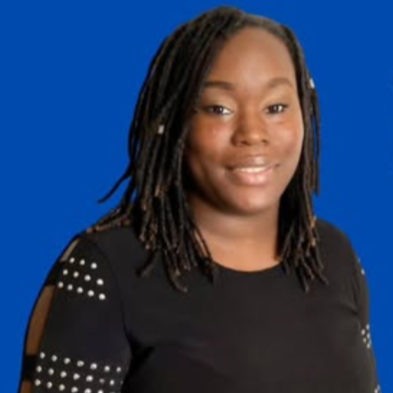
What does a birth doula actually do? How can one change your birth experience—and even save your life? YMyHealth podcast Co-Host Melissa Schenkman sat down for a conversation with Zakela Mickens, a certified birth doula whose personal journey through four pregnancies—including high-risk complications and a near-fatal delivery—inspired her to fill a critical gap in maternal care. In this article, Zakela, who is also the founder of Powered By Chocolate Milk Co., an org that educates women of color about breast feeding, shares everything expectant families need to know about doulas.
Understanding the Role of a Birth Doula
What is the role of a birth doula?
Zakela Mickens: A birth doula offers support to mothers during pregnancy, as well as during labor and delivery. We provide emotional, physical, and informational support throughout pregnancy and labor, and immediately after childbirth.
How does a doula differ from a nurse or a midwife?
One of the biggest things emphasized in doula training is: you are not medical staff. Nurses provide medical care and monitor the health of mom and baby. Midwives are licensed healthcare providers who manage the birth—including delivering the baby—with training in prenatal and postnatal care. A doula, by contrast, focuses entirely on non-medical support: offering emotional reassurance, helping the mother stay calm and focused on her birth plan, reminding her to breathe, and advocating for her—and helping her advocate for herself and her baby.
Zakela’s Personal Journey
What led you to become a Certified Birth Doula?
My own birthing experiences were the catalyst. I have four children. With my first, I had a C-section at 19 and went into it completely blind—no childbirth education, little support. With my second, I had a VBAC (vaginal birth after cesarean). My third pregnancy was high risk due to a benign pituitary brain tumor, and she was born at 10 pounds, 10 ounces. But it was my fourth pregnancy that changed everything. I had gestational diabetes and developed preeclampsia. I had to quickly advocate for myself and switch providers—a decision that likely saved my life. Through all of this, I felt the lack of support acutely. And post-COVID, the care environment in labor and delivery felt colder. As a woman of color, I also experienced being treated in a way I wasn’t in favor of. I didn’t want any other mother to go through that alone.
When did you realize this was a broader issue, not just your personal experience?
When Serena Williams publicly shared her birth story, people were shocked. But I thought: if this is happening to a celebrity with all the resources in the world, imagine women in rural communities without access to adequate care. How are they navigating their pregnancies? That fear is very real for a lot of women.
Doula Training and Certification
What’s involved in becoming a certified birth doula?
It depends on where you train. The most important thing is to ensure the organization you train with is accredited. Well-known organizations include DONA International and Childbirth and Postpartum Professionals Association. Training programs typically cover labor stages and comfort techniques, physical and emotional support, communication skills, and understanding different birth settings—hospital, home birth, and others. Certification also matters for liability, insurance billing, and hospital credentialing.
Is certification required to work as a doula?
Certification is important, but I want to put it in perspective. Historically, midwives and women who supported mothers in their communities—even during slavery—were not “certified.” They had wisdom, knowledge, and lived experience. Today, certification matters especially for hospital settings and liability. But make sure the organization issuing the certification is itself accredited and knowledgeable about what supporting a mother in a hospital actually involves.
How long have you been doing this work?
I’ve been attending births for as long as I can remember—even as a teenager, I attended cousins’ births and was always in awe of what women’s bodies can do. Professionally, as a certified birth doula, I’ve been practicing for about two to three years.
Benefits of Having a Birth Doula
What are the proven benefits of having a birth doula?
Research shows that having a doula can lead to numerous positive outcomes, including: reduced risk of cesarean birth, shorter labor, lower rates of medical interventions like epidurals, increased breastfeeding success, and better emotional well-being for the birthing person. Doulas are especially helpful in reducing stress and anxiety. When you have someone knowledgeable by your side who can help you remain calm and navigate unexpected situations, the experience is significantly less frightening—especially in an emergency.
How does a doula help during the actual delivery?
It varies by the type of birth. During a vaginal delivery, I’m by the mother’s side—helping her remember her breathing, holding her hand, helping with positioning. When it’s time to push, I’m in her ear, keeping her calm. For a C-section, I may wait during the procedure and then support her in recovery—assisting with breastfeeding, helping her adjust. If there’s an emergency, the role shifts to reassurance: “I’m here for you, stay calm,” before she goes back to deliver. I’m also a firm advocate for the birth plan—reminding the mother (and sometimes the medical team) of her stated wishes. Providers don’t always remember every patient’s plan; A doula does.

How do doulas work alongside the medical team?
In my experience, many labor and delivery nurses actually love having doulas in the room. They’ve said things like, ‘You’ve been with this client. You know her better than we do.’ Because I know my clients intimately—their fears, their preferences, their birth plan—I can help the medical staff serve them better. The key is staying in your lane: I’m not there to administer medication, assist the doctor, or overstep medical boundaries. I’m there for the mom. When doulas get a bad reputation, it’s often because someone overstepped. Mutual respect with the care team is essential.
Postpartum Support
Does doula support end when the baby is born?
Absolutely not. Doulas also offer postpartum support—helping with breastfeeding, assisting with newborn care, and providing emotional support as the family adjusts. We sometimes call the postpartum period the “fourth trimester.” No matter how many childbirth classes you’ve attended, when that baby is actually home, reality sets in. Having someone knowledgeable available—whether they come by in the morning, on weekends, or even overnight—can make an enormous difference.
Is there a difference between a birth doula and a postpartum doula?
Yes. I am a birth doula, focused on pregnancy through delivery. A postpartum doula specializes in the period after birth. They may meet families at home, help prepare meals, assist with newborn care, and even help older siblings adjust to the new baby. The two roles can overlap, but they’re distinct specializations.
Cost and Access
How much does hiring a birth doula typically cost?
It varies by location, the doula’s experience, and the services offered. On average, prices range from about $800 to $2,500. Many doulas offer sliding scale fees for families who need financial support. Some also offer payment plans. And in certain situations, particularly in underserved communities, some doulas (myself included) will offer services at no cost.
Does health insurance cover doula services?
It’s worth calling your insurance provider and asking for an explanation of benefits—specifically what prenatal care is covered. Insurance coverage for doula services is not yet widespread, but it’s expanding. Some plans are beginning to cover a portion of the cost. Medicaid works differently state by state, and there are community programs—like Healthy Start—that may provide support. I was recently certified through a Sunshine Health Plan program for Medicaid, where the state covers the cost of a doula for eligible mothers. Research your options early.
What about people in rural areas or maternal health deserts?
This is a serious issue. In my own county right now, there are no OB-GYNs. Pregnant mothers have to travel outside the county just to receive prenatal care. In these communities, doulas can play an even more critical role—pointing mothers to resources, connecting them with providers, and sometimes simply being the only knowledgeable support person available. If you’re in a rural area, look into community programs, your doctor’s office network, and local mom groups. Resources exist, but you may have to search.
Doulas and Racial Health Disparities
What role do doulas play in addressing racial disparities in maternal health?
Black women in the U.S. face a maternal mortality rate 3.5 times higher than white women—across all income and education levels. Doulas can be powerful advocates in this space by providing compassionate, culturally competent care and ensuring that the mother’s voice is heard in the healthcare setting.
We’ve all seen the stories: women in active labor being ignored, mothers sent home only to deliver in their cars. It’s unfathomable—and yet it keeps happening. When a doula shares the same racial and cultural background as her client, she can help bridge trust gaps with the healthcare system, empower the mother to make informed decisions, and provide a more personalized, affirming experience. Representation truly matters—even in the birthing room.
Finding the Right Doula
What should expectant mothers look for when choosing a birth doula?
First and foremost: Don’t let fear or desperation cause you to overlook red flags. Look for empathy, experience, reliability, and strong communication skills. Your doula should align with your values and birth philosophy, and she must respect your choices without judgment. Ask yourself: does this person make me feel heard and supported? Would I trust her in an emergency?
What specific questions should I ask a potential doula?
Great questions to ask include:
What is your training and certification background?
How many births have you attended?
What is your availability around my due date?
How do you work with medical teams and other caregivers?
Can you provide references or testimonials from past clients?
And importantly: Do you have a backup plan if you’re unavailable when I go into labor?

Any other practical advice for finding a doula?
Start looking early. Don’t wait until the last trimester—good doulas fill up, especially around holidays. Aim to have three or four options so you can choose the best fit. Check with your doctor’s office, local mom groups, and even your insurance network for referrals. And be realistic: if a doula meets 7 out of 10 things on your wish list, those seven qualities may be exactly what you need. Don’t hold out for perfection when genuine support is right in front of you.
Zakela’s Three Key Takeaways for Finding a Birth Doula
Your doula is your advocate—not your medical provider.
A doula’s job is to make sure you feel empowered, heard, and supported during your birth. She provides emotional, physical, and informational support—but she is not a substitute for medical care. Know the distinction, and make sure your doula does too.
Time is of the essence.
Don’t wait until you’re close to your due date to find a doula. Reach out early, have backups in mind, and make sure your doula has a backup plan too. Not every doula can take every client at the last minute—give yourself enough time to find the right fit.
You are not alone in this journey.
Pregnancy is a journey, and having a doula means having someone walk it with you. Ask as many questions as you need. Keep searching if the first doula isn’t the right match. Use your community resources. And remember: It takes a village. Build yours!
How can people connect with you?
People can find me and connect with me on Instagram @poweredbychocolatemilkco.
Want to hear more from Certified Birth Doula, Zakela Mickens? Check out the YMyHealth Podcast on our YouTube channel or on your favorite streaming platform!