
Making Vegetarian Eating Flavorful, and Realistic with Sri of Vegetarian Wellness
Written by Julie Woon, MSJ

Sri
Vegetarian eating often gets labeled as restrictive, complicated, or time-consuming, but it does not have to be. Sri, creator of the blog Vegetarian Wellness, sits down with YMyHealth Co-Host Julie Woon to talk about her journey and how vegetarianism can fit into real life: busy schedules, tight budgets, social situations, and all.
Her blog, Vegetarian Wellness, is dedicated to making plant-based eating accessible, delicious, and realistic for everyone—not just vegetarians or vegans. With an approachable style and practical vegetarian recipes that fit into busy lives and tight budgets, she's helping people discover that vegetarian eating doesn't have to be complicated or restrictive. In fact, using her practical tips and mindshifts, it can not only be doable but actually enjoyable.
What first drew you to a vegetarian diet?
Sri: I became a vegetarian at a very young age because meat never really appealed to me—the texture, the smell, none of it felt right. Growing up, I also witnessed animals being butchered live multiple times, which had a deep emotional impact on me. One day, I realized I never truly enjoyed eating meat, and after seeing how scared animals were, I decided to stop. I never looked back after that.
What inspired you to start the Vegetarian Wellness blog?
Food and health have always been a big part of my life. My family—especially my grandmother—believed strongly in nourishing the body with food made from scratch. Over the years, I noticed that many people, even vegetarians, struggled with cooking simple vegetarian meals. Friends would tell me they didn’t have time or felt it was too complicated.
During COVID, when we were all home and had a bit more time, I realized I could use that moment to create something helpful. I wanted to show people that vegetarian cooking doesn’t have to be hard, fancy, or time-consuming.
Was transitioning to vegetarianism easy at first?
Not at all! At the beginning, it can feel very restrictive. There’s also a stigma attached to healthier eating. People feel embarrassed telling others they’re vegetarian and worry they’ll be judged. But over time, I realized that most questions come from curiosity, not judgment. Once you get past that mental barrier, things get much easier.
In my experience, 80–90% of people are actually very accommodating once you communicate your preferences.
What does a realistic week of vegetarian eating look like for you?
It’s very simple—nothing Instagram-perfect. Most of my meals are quick lentils, beans, or legumes, paired with a stir-fried or roasted vegetable and a healthy carb like quinoa, rice, sourdough, or whole-wheat bread.
I think in terms of balance: protein, fiber, and carbs.
I use pressure cookers, sheet-pan meals, and minimal prep. My vegetarian recipes don’t change much—I just rotate vegetables, lentils, and spices. Small changes make a big difference. It’s literally the same thing almost every day, just in a different form.
Are there any go-to recipes people love most from your blog?
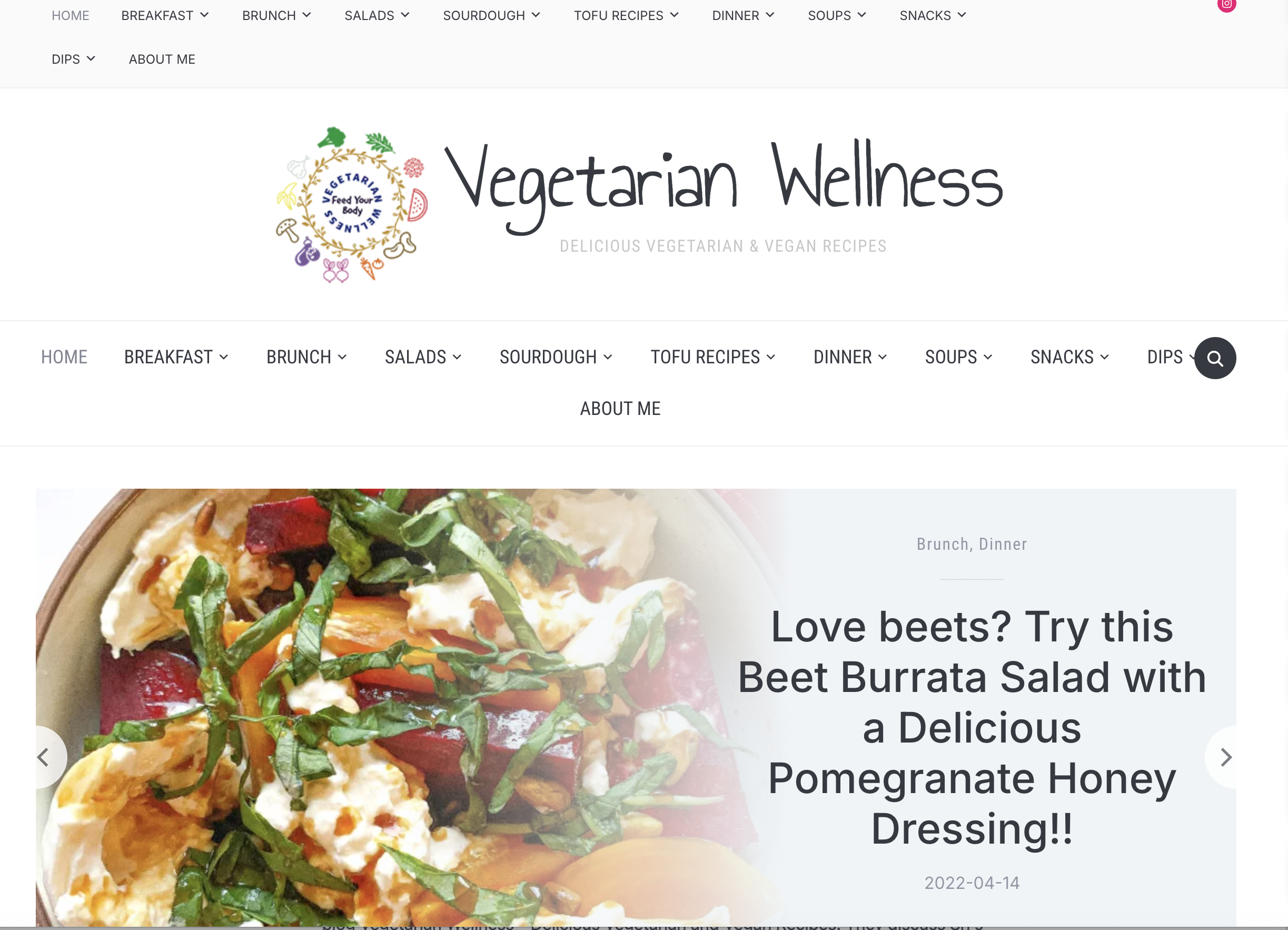
Yes! My quick lentil dishes are a favorite, along with a very simple roasted beet salad that gets a lot of attention. I also have a roasted vegetable and tofu dish that people love because it feels restaurant-quality but is easy to make and very customizable.
What are your top “lazy-but-healthy” vegetarian hacks?
Start at the grocery store. Everything begins with conscious shopping. When I shop, I visualize my plate—what protein, fiber, and carbs will go together. What you bring into your house is what you’ll end up cooking, so shopping intentionally makes everyday meals much easier.
Invest in spices. Vegetables need flavor. Simple staples like garlic, cumin, paprika, turmeric, basil, oregano, and chili powder can completely transform a dish. Even if you don’t have a recipe, adding oil and spices to vegetables before roasting or stir-frying makes them delicious and interesting.
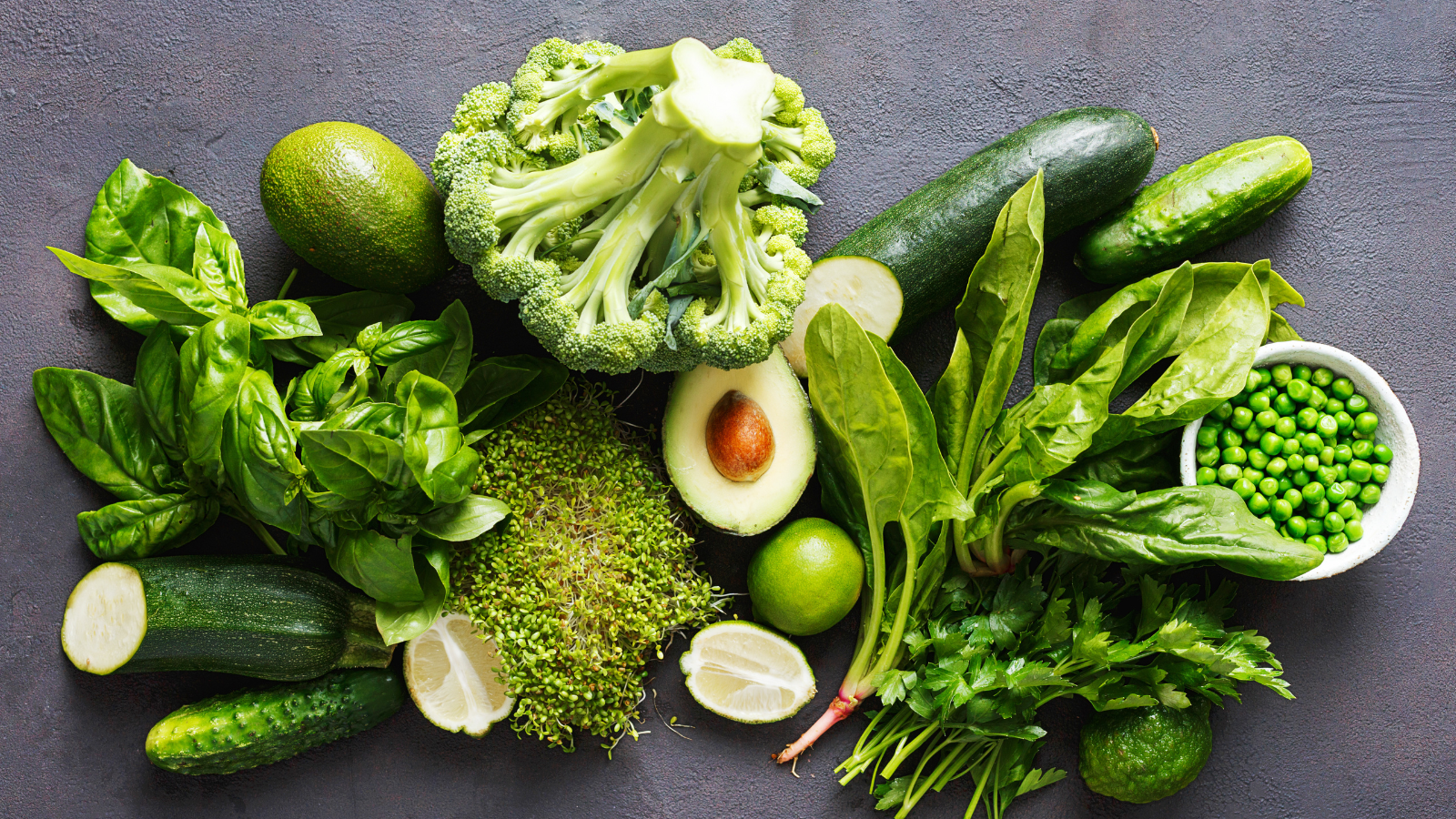
Use frozen and canned shortcuts. Frozen vegetables like spinach, peas, and broccoli save prep time, and canned beans or chickpeas are perfect for days when you don’t feel like cooking from scratch. Choosing organic when possible keeps things minimally processed while still making everyday meals fast and accessible.
What’s the biggest mistake people make when trying a vegetarian diet?
That’s a very good question because I have seen so many. The biggest one is going all-in overnight. People eliminate everything they love at once, feel overwhelmed, and then give up. You can't run a marathon just by signing up for it this weekend—you have to train, start slow, go one block first, then two blocks. It's the same with being vegetarian.
Vegetarianism is a habit—it takes time. You have to start small. Try one vegetarian day per week, or add one vegetarian meal per day. Small, consistent changes make a huge difference long-term.
How do you handle work lunches or traveling as a vegetarian?
For work lunches, you can prepare things the night before. Make overnight oats for breakfast—super easy, just take it out and eat. Pre-cook your quinoa or other carbs. Choose breads with the least amount of ingredients, like Ezekiel bread, which is all natural without preservatives and has five grams of protein per slice.
The biggest time-saver is pre-cutting vegetables. Most of the cooking is all about the prep and cutting. Instead of making meals for the whole week—which seems to be a trend these days—make batches of vegetables. Don't cook them, just cut them all up over the weekend. That way you can quickly toss them in a pan with spices and have fresh-cooked meals ready every day.
When traveling, I've found that even in places that don't eat a lot of vegetables, you can always find something like an egg salad sandwich or cheese sandwich with a big side of salad. At restaurants, if you see the menu and think they don't have anything vegetarian, don't assume that's the end. Tell them, "I see you don't have any options here. I'm a vegetarian. Is there something you can make?" They always have something—a side dish, vegetables, something they can prepare for you.
I've dined at Michelin restaurants in Europe, in countries where they eat mostly meat. But even at these restaurants, if you tell them ahead that you're vegetarian, they always make something for you. Don't get intimidated by the menu—restaurants accommodate you if you just ask.
What’s the most common misconception about vegetarianism?
That you cannot get enough protein. If you’re eating a balanced vegetarian diet, protein is not something you need to worry about. Lentils, legumes, beans, tofu,and vegetables like spinach and broccoli all contain protein. So, if you are incorporating these kinds of foods into your life, you do not need to worry about protein.
Another misconception is that eating a vegetarian diet automatically means being healthy. You can eat chips all day and still be vegetarian. Health comes from balance and moderation, not labels.
Can eating vegetarian be affordable with rising grocery costs?
Absolutely. Frozen vegetables are often cheaper than fresh and just as nutritious. Buying lentils, rice, and beans in bulk—especially from Indian grocery stores or Costco—can dramatically reduce costs. At Costco, you can get big bags of lentils for two or three dollars that will last a month. Then, you're making nutritious meals for less than a dollar per meal.
Go for easy, affordable vegetables—carrots, beets (they're cheap, easy to make, delicious, and a good source of iron). Add leafy vegetables. Potatoes are still relatively affordable.
Don't buy lentils, legumes, beans, or rice at Trader Joe's or Whole Foods—I love both stores, but for these items, go to ethnic stores where they tend to be much cheaper. Bulk shop these items and make meals at a very low cost.
You can make very nourishing meals for just a few dollars.
If someone wants to try vegetarianism this week, where should they start?
Learn two basics:
How to cook lentils (there are many different types)
How to make a simple stir-fry or roasted vegetables
These two skills will carry you far. You can change flavors, spices, and ingredients endlessly while keeping meals simple and satisfying.
Where can people find you, your vegetarian recipes, and tips?
My blog is vegetarianwellness.com (without the “e” after the “g”), and I’m also very active on Instagram @vegetarian.wellness. I share vegetarian recipes, simple cooking ideas, and everyday tips to make vegetarian eating approachable and enjoyable.
Want to hear more from Sri? Check out the YMyHealth Podcast on our YouTube channel or on your favorite streaming platform!