
How ICHRA Is Changing Employer Health Insurance
Benefitbay CEO Brandy Thompson explains how ICHRA gives employees more health insurance choice, lower costs, and better coverage.
Written by Melissa Schenkman, MPH, MSJ
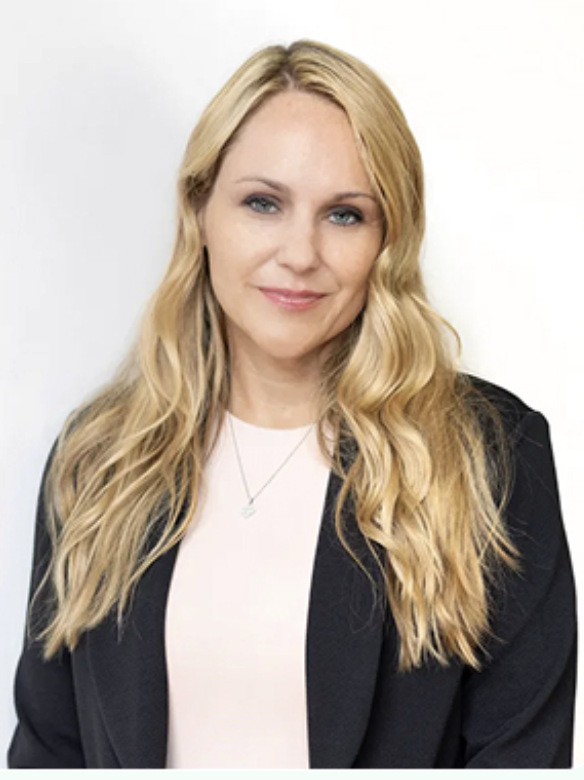
Brandy Thompson is the CEO and founder of benefitbay, a company that helps employers offer personalized health insurance options to employees through Individual Coverage Health Reimbursement Arrangements (ICHRA). A finance executive turned healthcare entrepreneur and mother of six, Thompson has navigated the health insurance system as a patient, a benefits committee member, and now as a founder. In this conversation, she explains how ICHRA works and why having more choices for your health insurance coverage could lower costs for everyone.
What personal experiences shaped your view of the health insurance system?
Brandy Thompson: I've lived through the flaws of this system for decades. Back in the early '90s, before the Affordable Care Act (ACA), if you changed jobs and became pregnant within your first 90 days, insurers could make you wait 90 days for coverage — plus the first of the following month, so more like 120 days before you were even insurable. And they could use pregnancy as a pre-existing condition against you. That happened to me with the birth of my daughter. I had changed jobs, found out I was pregnant, and ended up covering that pregnancy out of pocket, which was incredibly expensive.
Later, I sat on benefits committees that had to change carriers while I was pregnant — suddenly you're switching OB-GYNs and hospital systems because of a business decision. Both experiences were high stress, especially back when there wasn't a lot of room at work to even acknowledge you were pregnant. I was in finance, a heavily male-dominated field, and you just tried to hide it as long as you could.
We've come a long way since then. There are minimum affordability guidelines now, and you can't be denied coverage for health conditions. That's also driven up costs. Employers are often self-insured. So, if one person on the plan has a high-cost outcome, that becomes a cost for the whole population.
High-deductible plans have made a lot of us feel functionally uninsured. We skip preventative care because we're staring down a $6,500 deductible, then find out something's wrong at stage 3 instead of catching it early. That's not a good outcome for anyone. Combine that with physician and hospital shortages driven by falling reimbursement rates, and you've got the perfect storm. That's what drives my passion for this industry — plus, half my kids are heading into medicine, so I understand firsthand what providers are up against too.
Brandy Thompson: I've lived through the flaws of this system for decades. Back in the early '90s, before the Affordable Care Act (ACA), if you changed jobs and became pregnant within your first 90 days, insurers could make you wait 90 days for coverage — plus the first of the following month, so more like 120 days before you were even insurable. And they could use pregnancy as a pre-existing condition against you. That happened to me with the birth of my daughter. I had changed jobs, found out I was pregnant, and ended up covering that pregnancy out of pocket, which was incredibly expensive.
Later, I sat on benefits committees that had to change carriers while I was pregnant — suddenly you're switching OB-GYNs and hospital systems because of a business decision. Both experiences were high stress, especially back when there wasn't a lot of room at work to even acknowledge you were pregnant. I was in finance, a heavily male-dominated field, and you just tried to hide it as long as you could.
We've come a long way since then. There are minimum affordability guidelines now, and you can't be denied coverage for health conditions. That's also driven up costs. Employers are often self-insured. So, if one person on the plan has a high-cost outcome, that becomes a cost for the whole population.
High-deductible plans have made a lot of us feel functionally uninsured. We skip preventative care because we're staring down a $6,500 deductible, then find out something's wrong at stage 3 instead of catching it early. That's not a good outcome for anyone. Combine that with physician and hospital shortages driven by falling reimbursement rates, and you've got the perfect storm. That's what drives my passion for this industry — plus, half my kids are heading into medicine, so I understand firsthand what providers are up against too.
What's wrong with traditional employer health insurance?
Employers get forced into a one-size-fits-no-one plan. If they have employees across 40 states, they need one carrier to underwrite everyone, which drives up costs — a sought-after specialty network in one region can inflate pricing for someone who just wants to see their local doctor.
What led you to found benefitbay?
It was a combination of a change in the industry and personal circumstances that happened to occur around the same time. Individual Coverage Health Reimbursement Arrangements (ICHRA) had just passed after federal regulations that opened the door to creating them became law, and I was a divorced single mom of six who couldn't keep a traditional 8-to-6 CFO job. Given those experiences, I wanted to build something that worked for the employer, the carrier, the broker, and the employee — all for the right reasons.

What is ICHRA, and what health plan options does it include?
ICHRA is a defined contribution: the employer sets an equitable amount, and employees shop for Health Maintenance Organization (HMOs), Preferred Provider Organization (PPOs), Exclusive Provider Organization (EPOs), or Healthcare Savings Account (HSA-eligible) plans that fit them. Nationally, about 300 carriers participate in ICHRA-eligible individual and family plans, versus the handful of "BUCA" carriers (Blue Cross Blue Shield, United Healthcare, Cigna, and Aetna) that dominate traditional group insurance. That competition drives better pricing.
How do ICHRA and Benefitbay work for employees choosing a health plan?
We sit at the intersection of humanity and technology. Our platform at Benefitbay lets employees search for plans by carrier, medications, and physicians. However, if someone isn't confident making that decision alone, they can talk to a real person — licensed agents who we have intentionally recruited because they come from clinical or other professional backgrounds that naturally possess high levels of empathy, like nurses, occupational therapists, and retired school teachers, instead of commission-driven or sales-based fields. We have found their skill sets are highly transferable in helping people manage change, listening to their complex health outcomes, and making them feel confident in their plan selection.
Do I need a PPO health plan, or is a narrower network enough?
Often not. If your employer operates in 42 states but you never leave your own, that broad network was never really ‘yours’ — emergency care is covered under ACA rules regardless of plan type. Most of us are choosing between three flavors of the same plan from one carrier. If that network doesn't include your doctor, you're stuck.
From your experience, what are the most common health insurance mistakes people make?
The biggest is looking only at the paycheck deduction, without understanding coinsurance or drug tiers — a ‘45% coinsurance’ plan can look free everywhere else until a surprise bill arrives. People also frequently overbuy PPO coverage they'll never use. Prioritize your deductible, your out-of-pocket maximum, and whether your actual doctors and medications are covered.
What health insurance red flags should employees watch out for?
Carriers that make it hard for your provider to get reimbursed, or that still require antiquated, insecure paperwork like a wet signature emailed from a personal account. That often signals a carrier resisting competition rather than investing in better service.

What's your advice for entrepreneurs building businesses in the health insurance industry?
Find your tribe — people who've been through something similar. Don't be afraid to ask for help; I've never had someone say, ‘no’ when I asked for an introduction. And when it feels dark, don't quit. I nearly did, once, and I'm grateful I didn't.
What gives you hope for the future of health insurance?
Transparency is finally coming — to pharmacy benefit managers, to agent compensation, to where employer dollars actually go. People are also starting to take real ownership of their own health. That combination is how we finally drive the kind of change in healthcare that other industries achieved through competition and informed consumers.
How can people connect with benefitbay?
You can learn more about benefitbay by visiting us at benefitbay.com. To connect with our team and learn how having an ICHRA can help you–whether you're an employee or employer–with your healthcare coverage, visit here.
Want to hear more from Brandy? Check out the YMyHealth Podcast on our YouTube channel or on your favorite streaming platform!