
Written by Julie Woon, MSJ
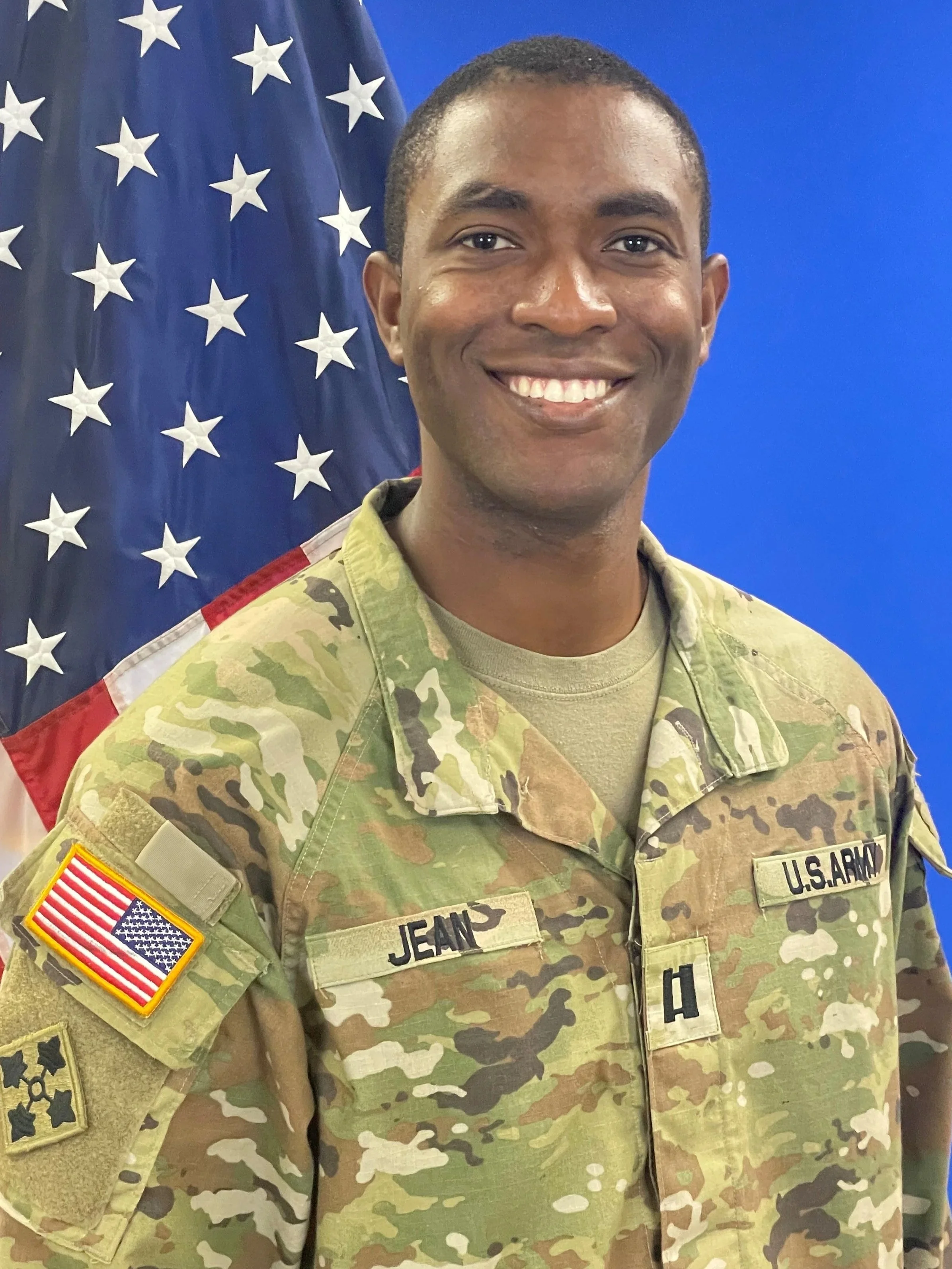
Samir Jean, Mental Health Talk Program Manager at the Wounded Warrior Project, oversees a telephonic, goal-focused emotional support program for military veterans and their families. Having recently transitioned out of active-duty military service himself, Samir understands firsthand the emotional challenges that come with major life transitions. He joined YMyHealth Podcast Co-host Julie Woon to talk about what it really means to move through life transitions.
What led you to military service, and eventually to the Wounded Warrior Project?
Samir Jean: I accidentally enrolled in Junior Reserve Officers’ Training Corps (JROTC) in high school, and it became my first real exposure to the military and to camaraderie. I continued ROTC in college, commissioned as a field artillery officer, and deployed to Iraq out of Fort Carson, Colorado. After commanding a basic training unit at Fort Sill, I decided to transition out. Wounded Warrior Project felt like a natural fit — I could keep serving and leading while staying connected to the military community.
What does your role on the Talk Team involve?
Wounded Warrior Project serves post-9/11 veterans and their families. The Talk program is a non-clinical, telephonic emotional support service — warriors and family members are paired with someone who fits their preferences for a 20-minute call once a week. I think of it as having a professional friend in your corner, helping with coping skills, goal-setting, and working through challenges with you.
What do people often misunderstand about leaving the military?
People tend to think about recruitment numbers, but as you get close to separating, you hear a lot more about retention — how many people the military is trying to keep. Those conversations are well-intentioned, but they can amplify the uncertainty you're already feeling, and for some people that tips into real panic.
Did your sense of identity change during your transition?
Yes, though it happened slowly rather than all at once. As I transitioned, I realized how much of my identity was tied to the uniform and everything I'd done in it. There's an important shift in recognizing you're more than just what you were in the military — I think there are real phases to that kind of identity change.
How did you personally manage isolation during that period?
I went through a high-tempo season where I drifted from things I loved, and even after that season ended, I didn't pick them back up. My wife called me out on it and told me to talk to someone, which was a wake-up call. I also learned about something called a stress index — a list that includes obvious stressors like losing a family member, but also things like marriage or having a child. Stress shows up the same way whether it comes from something good or bad.
Too often, people carry these burdens alone and drift from their support systems, when what actually helps is leaning into them. Isolation doesn't happen overnight — it starts with a missed gathering, and it compounds from there.
What barriers keep veterans from reaching out for help?
Financial and access barriers exist, but for veterans specifically, I think it's mostly a stigma — that instinct to go it alone, be strong, and push through.
What makes a program like Talk so effective?
It's a third party, so people can really open up. I think of it as a low-barrier gateway — that light-touch support can open the door to more professional help down the line. Having someone check in regularly means you don't have to walk that journey alone.
Are there warning signs people shouldn't ignore, in themselves or someone else?
Losing interest in things you typically enjoy is a big one. A sense of irritability can be another. If someone stops showing up the way they used to, or something just feels off, it's okay to address it directly.
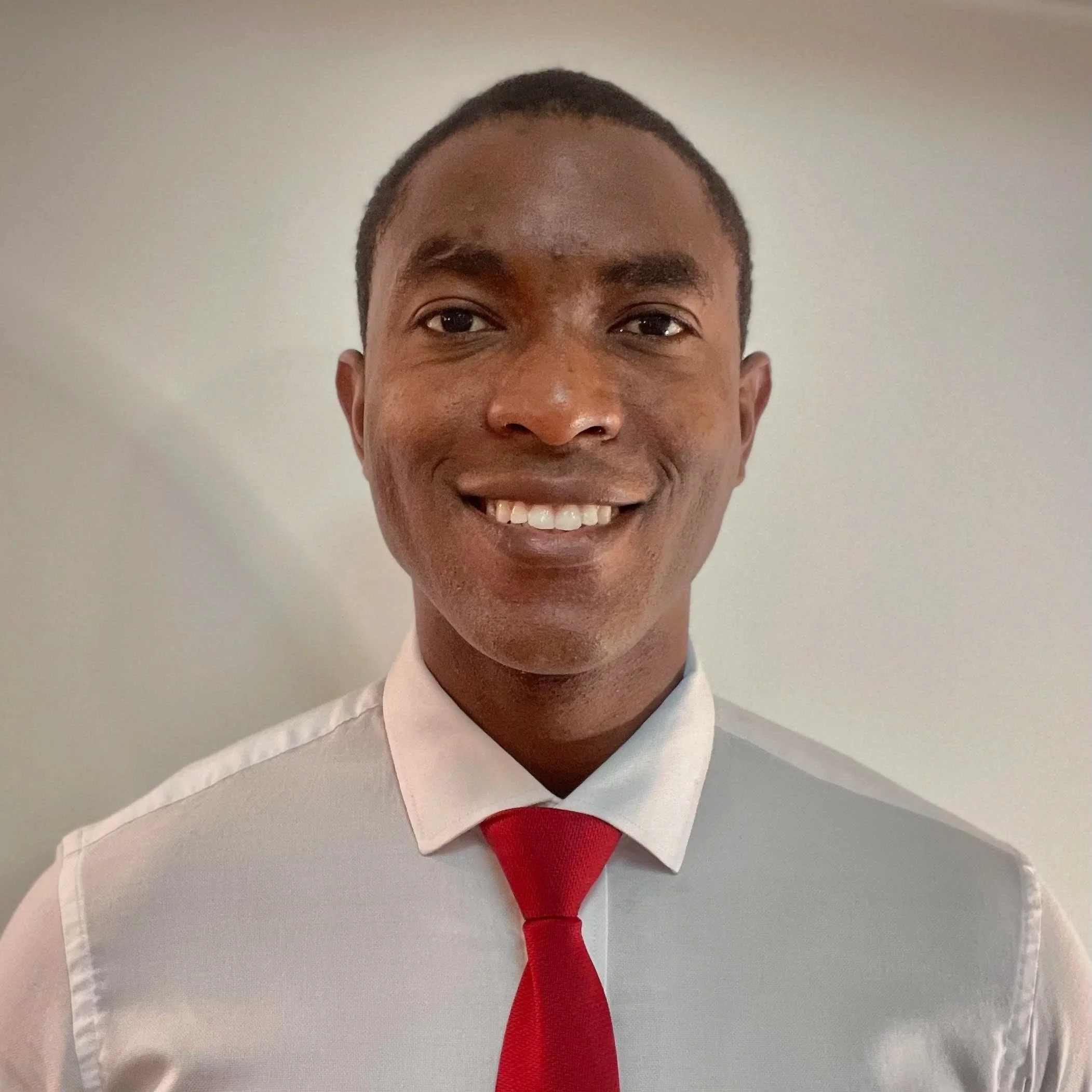
Samir Jean
What does resilience mean to you now, compared to when you were in the military?
Younger me would have said resilience is just pushing through anything. Now, I'd say it's about leveraging your resources, keeping people close, and approaching life with perspective and gratitude.
Is there a story that stands out from your work on the Talk team?
We worked with a warrior, a senior military leader, who had experienced military sexual trauma early in her career and had carried that burden privately for years. She was paired with a Talk partner and was finally able to open up and work through it. Being heard and validated in that situation was incredibly valuable to her, and she walked away from the experience in a much more positive place.
What's one small step someone can take today if they're starting a transition?
Take a pause. Take inventory, and focus on the next step. Don't worry about the finish line or the halfway point — just the next step.
How can people get in touch and join the Talk Program?
The best way to get in touch with the Wounded Warrior Project and to join the Talk Program is to visit our website on this page: https://www.woundedwarriorproject.org/programs/wwp-talk
Want to hear more from Samir? Check out the YMyHealth Podcast on our YouTube channel or on your favorite streaming platform!